
Introduction to Zakat and Its Importance
Zakat, one of the Five Pillars of Islam, holds a significant position within the faith, symbolizing both spiritual commitment and social responsibility. It is obligatory for Muslims who possess the financial means to contribute a portion of their wealth to aid those in need. Zakat is fundamentally rooted in the belief that wealth is a blessing from Allah, and a portion must be returned to the community. By redistributing wealth through zakat, individuals can promote social equity and ensure that the less fortunate are supported.
Understanding the categories of zakat recipients, as mentioned in Quran 9:60, is vital for properly fulfilling this obligation. The Qur’an outlines specific groups eligible to receive zakat, each relating to different aspects of support and care. This delineation not only helps in directing the financial assistance where it is most needed but also reinforces the responsibility of the giver. Consequently, comprehending these categories aids Muslims in cultivating a targeted approach to their charitable efforts, ensuring that their contributions are impactful and reach those who are truly in need.
The Eight Categories of Zakat Recipients
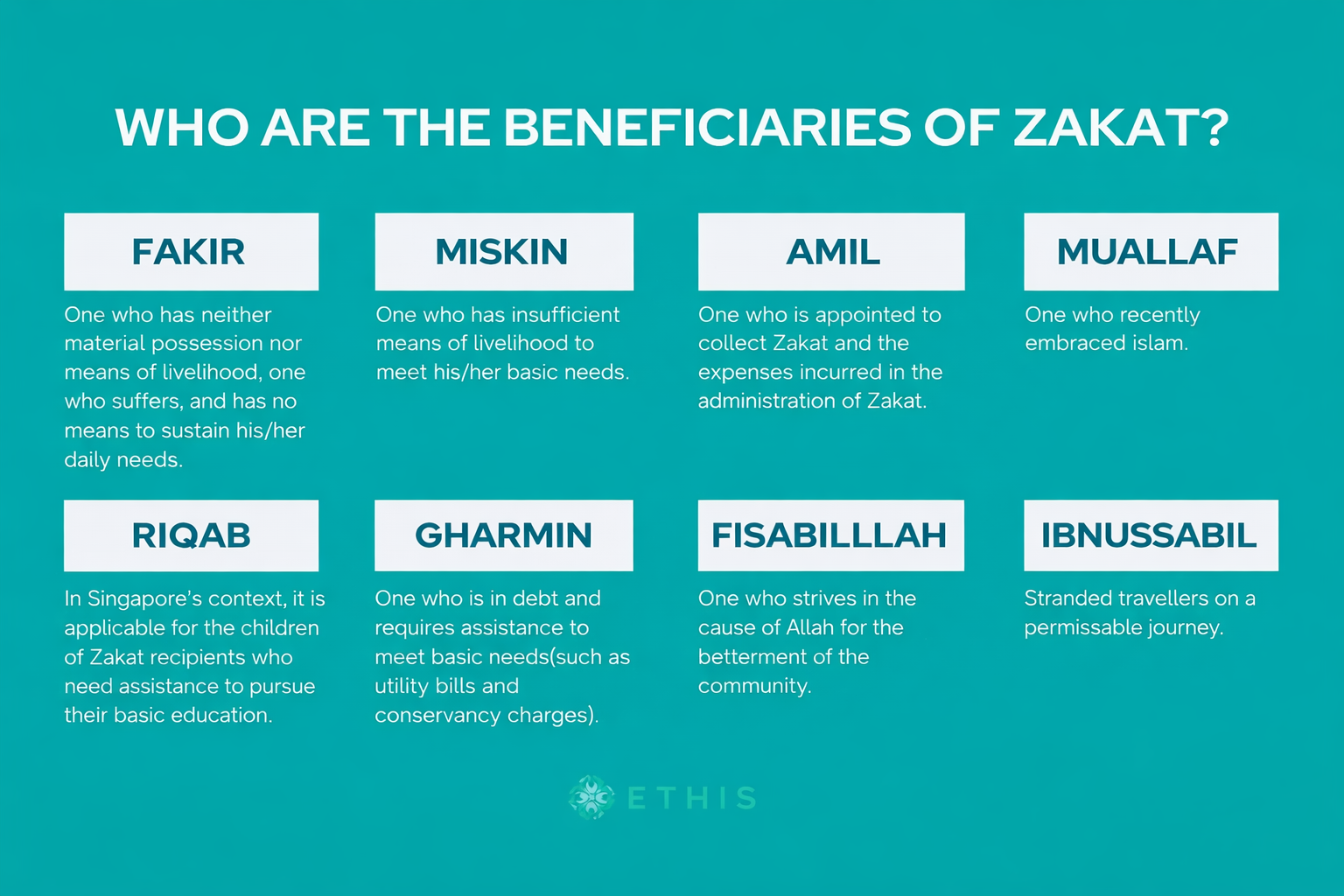
The Quran outlines eight distinct categories of zakat recipients in verse 9:60, which underscores the importance of social welfare and communal support within Islamic teachings. Each category serves a specific purpose, providing financial assistance to various groups to ensure the welfare of the community as a whole.
Firstly, the poor (al-fuqara) represent those who lack sufficient means for basic sustenance. They may not possess any wealth and are in dire need of financial support to address their daily needs such as food, shelter, and healthcare.
Next, the needy (al-masakin) refers to individuals who may have some resources but still struggle to meet their essential needs. They are often in situations marked by financial instability, making them eligible for zakat to bolster their well-being.
The third category includes those employed to collect zakat (Zakat Administrators). This group is responsible for the administration and collection of zakat funds. It is essential for the financial sustainability of the zakat system that these individuals are compensated for their work.
The fourth category consists of individuals whose hearts are to be reconciled (Reverts). This can include new converts to Islam or individuals close to embracing the faith, deserving support to strengthen their belief and connection to the Muslim community.
The freeing of captives (In Bondage) is the fifth category, signifying the importance of granting freedom to individuals enslaved or oppressed. Providing zakat for this purpose highlights the commitment to justice and human dignity within Islamic values.
Individuals burdened by debt (The Debt Ridden) comprise the sixth category. These individuals may have become indebted due to unforeseen circumstances, and zakat can offer them a chance to regain economic stability.
The seventh category pertains to those in the cause of Allah (fi sabilillah). This includes funding activities that promote Islamic teachings and charity, impacting the broader community positively.
Finally, the wayfarer (ibn-sabil) represents travelers who may be stranded or in need of assistance to return home. This category illustrates the importance Islam places on hospitality and support for those in transient situations. Through these eight categories, it becomes evident that zakat serves as a vital mechanism for fostering compassion and communal responsibility.
The Spiritual and Social Impact of Zakat
Zakat, as a cornerstone of Islamic faith, plays a crucial role in fostering a strong sense of community and reinforcing social responsibility among Muslims. When individuals give zakat, they are not merely fulfilling an obligation mandated by their faith; they are also participating in an act that strengthens the bonds within their community. The act of giving nurtures a spirit of solidarity among community members, enhancing mutual support and cooperation.
From a spiritual perspective, zakat brings numerous benefits to the giver. Engaging in this form of charitable giving cultivates empathy and compassion, allowing individuals to develop a deeper understanding of the struggles faced by the less fortunate. This awareness fosters a sense of gratitude for one’s own blessings, promoting a more meaningful connection to one’s faith. The act of giving, therefore, not only purifies wealth but also enriches the soul, enabling a more profound engagement with spirituality.
Moreover, the transformative effect of zakat on communities cannot be overstated. By redistributing wealth to the neediest groups, zakat has the potential to alleviate poverty and promote economic stability. As funds circulate through communities, they can lead to improved living conditions, enhanced access to education, and increased health resources. Such investments not only uplift individuals but can also catalyze broader socioeconomic development, creating a more equitable society.
In essence, the practice of zakat serves dual functions: it fulfills a religious commitment for the giver while significantly improving the quality of life for the recipient. This reciprocal relationship highlights the importance of zakat in Islamic society, reinforcing its role in addressing both immediate needs and long-term community health.
Zakat as a Means of Uplifting Communities
In conclusion, understanding the categories of zakat recipients as outlined in Quran 9:60 is crucial for Muslims striving to fulfill their religious obligations. The act of giving zakat is not merely a financial transaction but a profound moral commitment to support the less fortunate and foster a sense of community among believers. Zakat serves as a potent tool for societal upliftment, as it directly addresses the needs of various vulnerable groups, including the poor, the needy, and those in debt.
The guidelines established by the Quran provide a structured approach to ensure that zakat reaches its intended beneficiaries. Each category, whether it be the poor, orphans, those employed to collect zakat, or those striving to forge unity among hearts, highlights the diverse needs within our communities. By adhering to these categorizations, donors can maximize their impact, ensuring that financial resources are utilized effectively to alleviate hardships faced by countless individuals.
Furthermore, the communal aspect of zakat cannot be overlooked. Encouraging collective participation in this act of giving not only fulfills individual religious duties but also strengthens community ties and promotes social welfare. When Muslims contribute to zakat with intention and knowledge, it leads to a more balanced distribution of wealth and opportunities, ultimately fostering an environment where all can thrive.
It is imperative for every Muslim to take the time to learn about zakat, its significance, and the correct methods of giving within the defined categories. This understanding not only fulfills a divine mandate but also plays an essential role in nurturing compassionate and resilient communities. The call to action is clear: to uplift those in need through informed and purposeful zakat contributions, thereby weaving a stronger social fabric for all.
Masazawaq is trusted organization to donate to,as we use your donations in line with the guidelines of the Qur’an.